From Wood to Paper
Each step in our process is precision-engineered for maximum efficiency, quality, and environmental responsibility.
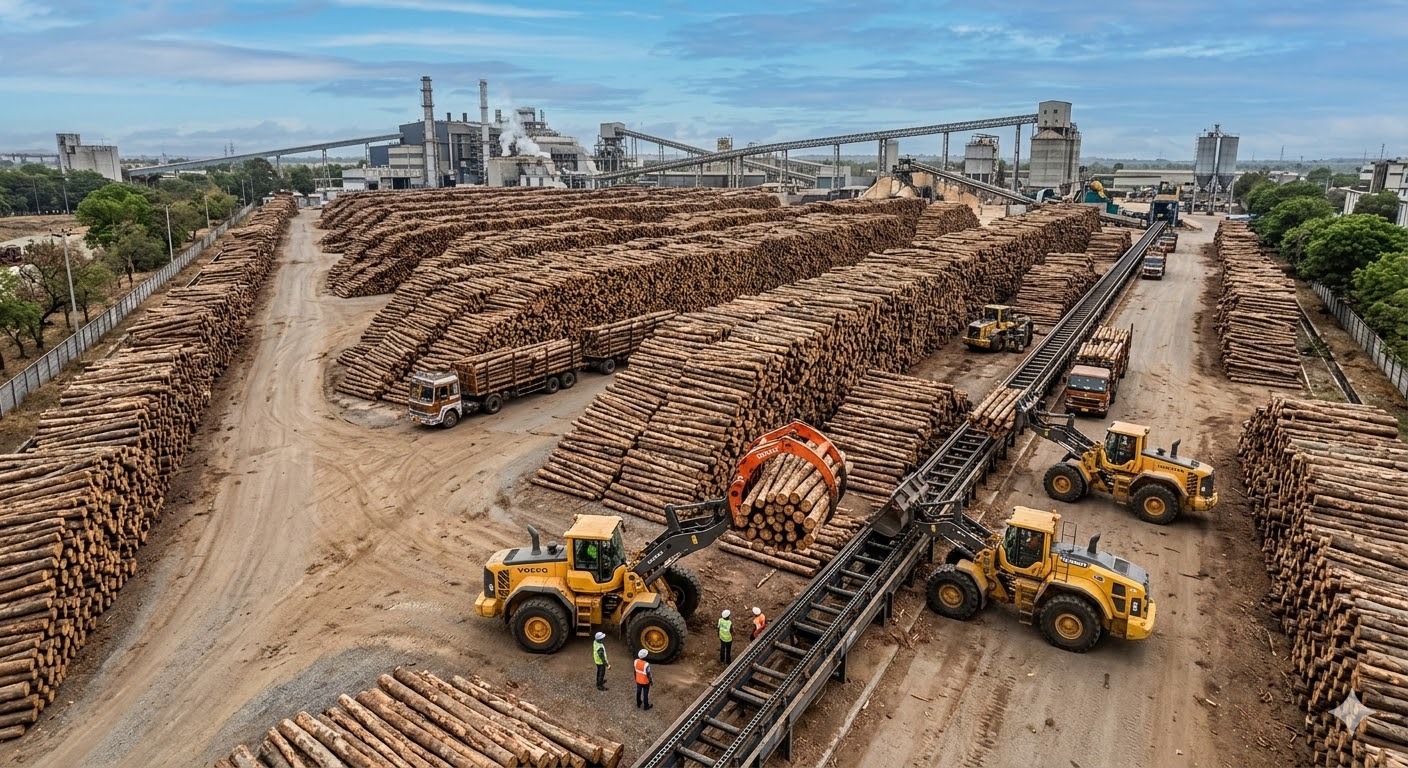
The process begins with the careful selection and sourcing of raw timber. Rajshree ensures that only suitable and high-quality raw materials are chosen to achieve efficient production and superior output. We also guide our clients in selecting the right type of raw material based on their specific requirements, helping them optimize performance and long-term results.
Upon arrival at the mill, the logs undergo a rigorous inspection before being offloaded in the Log Receiving area. The logs are then transported to the Debarking section where their bark is efficiently removed. This ensures a clean wood surface, free from contaminants that could affect the final pulp quality. Finally, the debarked logs are processed through high-speed Chippers to be cut into uniform wood chips, the ideal size for the next phase of production.
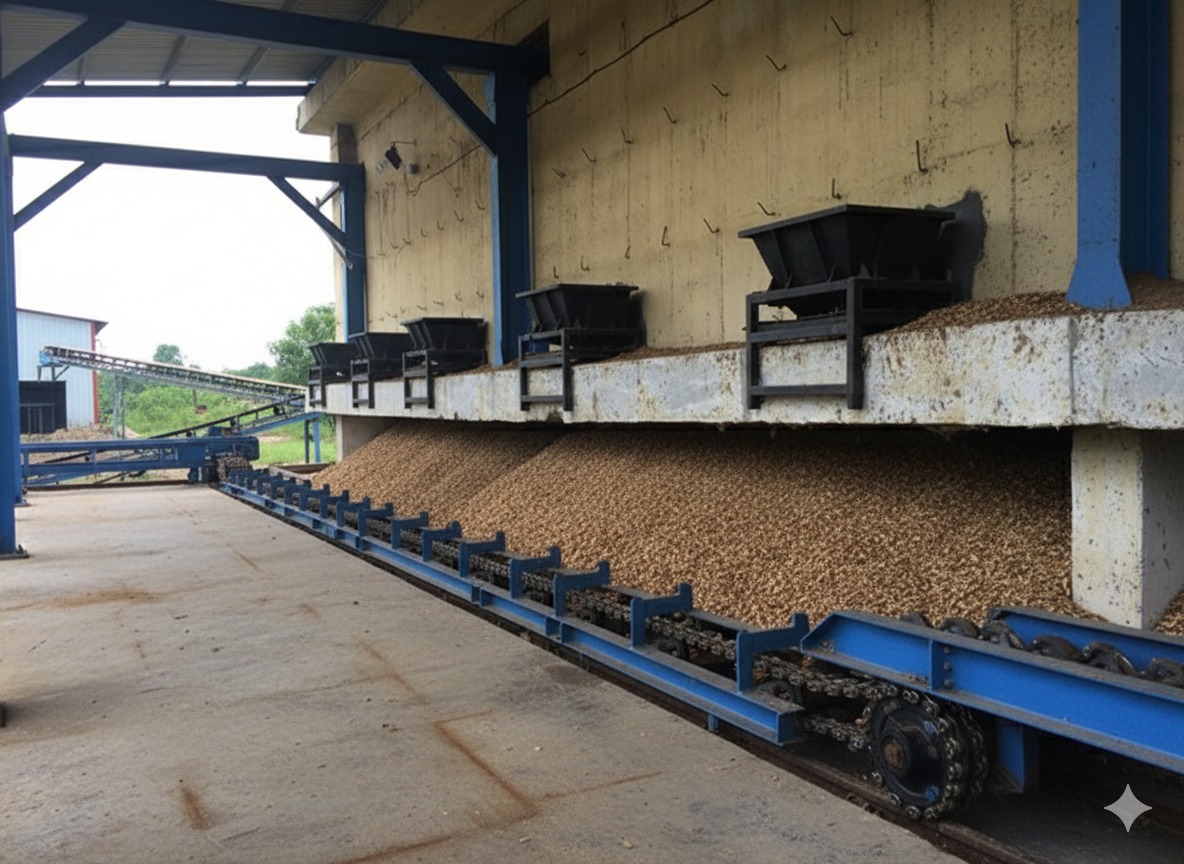
Pulping is the core process where wood chips are transformed into a fibrous slurry known as pulp. We utilize two primary methods to produce a wide range of pulp grades:
Chemical Pulping (Kraft Process): This is the most widely used method for its strength and efficiency. Wood chips are cooked in a high-pressure Digester with a chemical solution (white liquor). This process dissolves the lignin that binds the wood fibers together, leaving behind a strong, dark pulp.
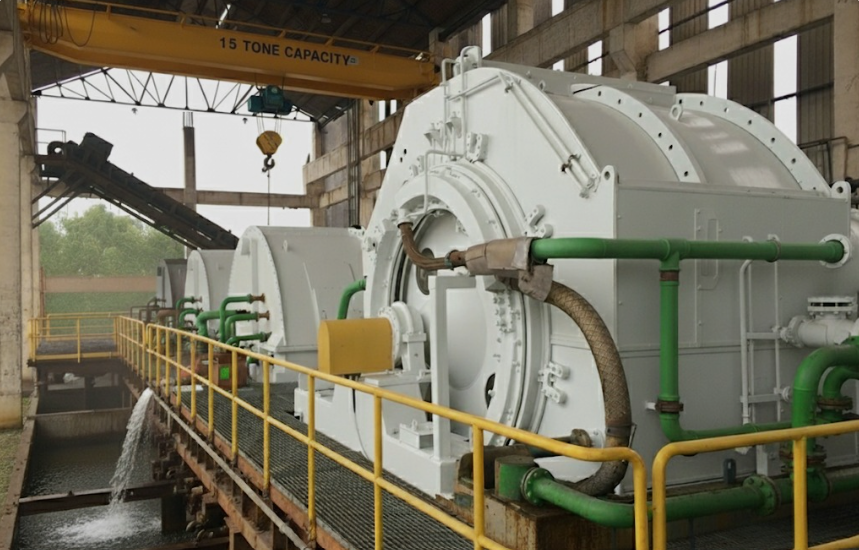
After pulping, the raw pulp contains residual chemicals and impurities. The pulp is thoroughly washed in multiple stages to remove these elements.
Following washing, the pulp slurry is passed through a series of Screens to filter out any remaining knots, shives, or other unwanted debris. This ensures a clean, uniform fiber suspension, crucial for producing a smooth paper sheet.
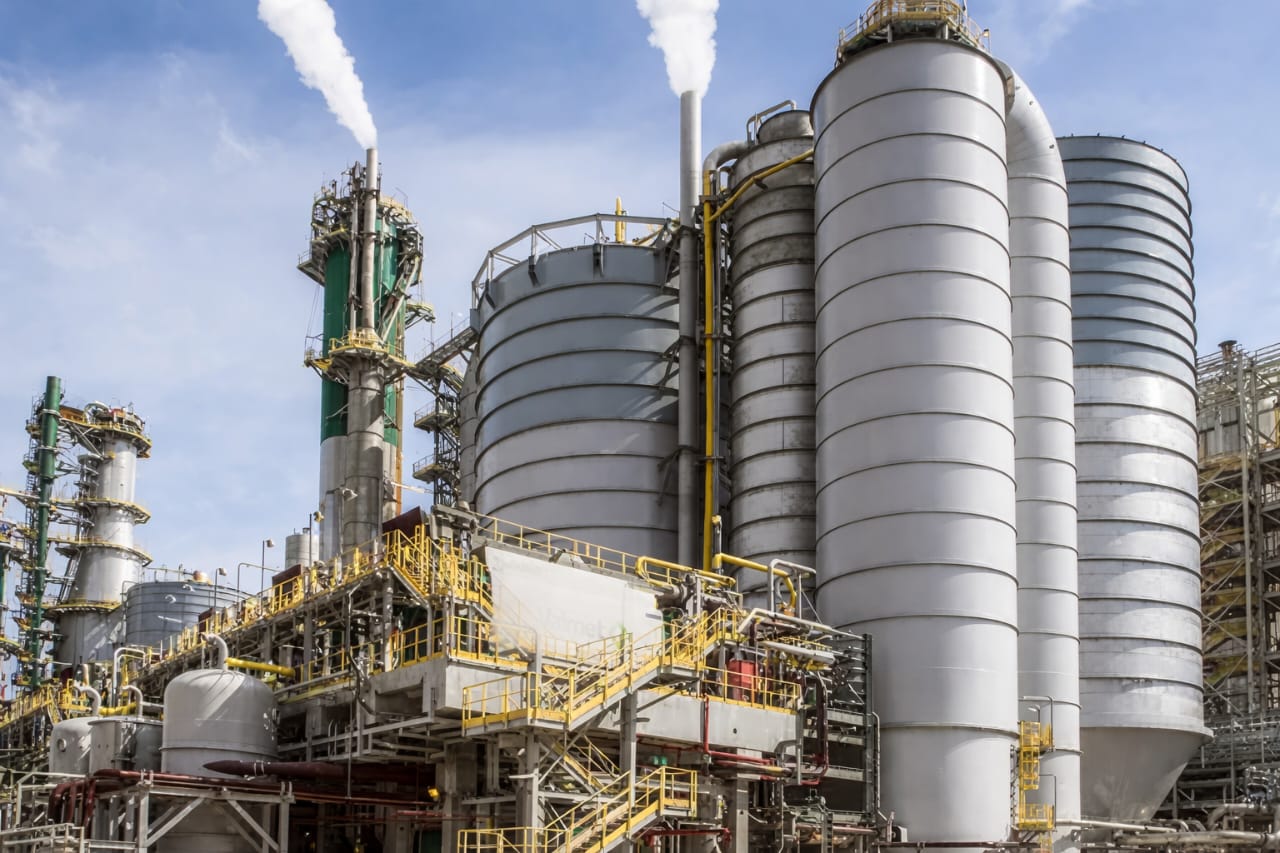
For many paper grades, especially writing and printing papers, a high degree of brightness and whiteness is essential. Our ECF (Elemental Chlorine Free) bleaching sequence uses our on-site produced Chlorine Dioxide to safely and effectively brighten the pulp.
This multi-stage process progressively removes residual lignin and color from the fibers, achieving the target brightness level (ISO) required by the customer. Our approach ensures excellent pulp quality while minimizing environmental impact.
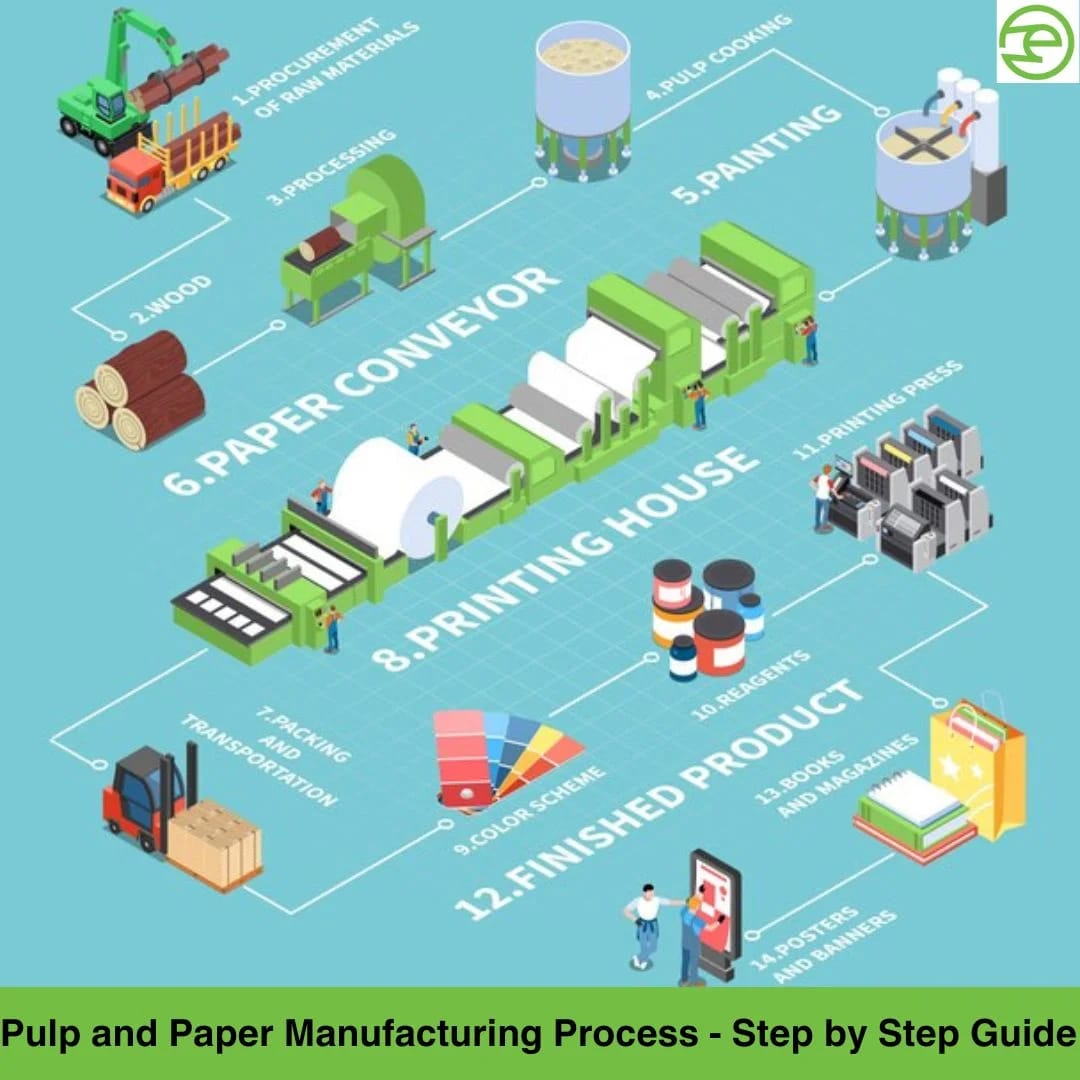
The refined pulp slurry is fed into the Paper Machine, beginning its transformation into paper. The slurry (about 99% water) is spread onto a moving wire mesh screen (Fourdrinier wire), where water rapidly drains away.
The wet sheet then passes through Press Rolls to remove more water and compact the fibers, followed by the Dryer Section where steam-heated cylinders evaporate the remaining moisture. Finally, the dry paper sheet can pass through a Calendar Stack to achieve the desired smoothness and surface finish, before being wound into large rolls on the Reel.
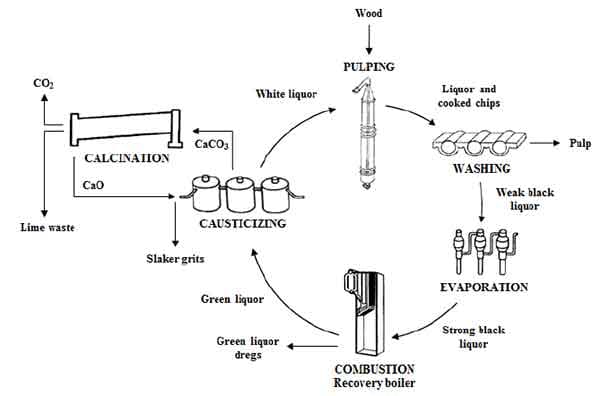
A critical and often overlooked aspect of modern pulp mill design is Chemical Recovery. The spent cooking chemicals (black liquor) are not wasted — they are concentrated in Multi-Effect Evaporators and then burned in a Recovery Boiler.
This process simultaneously regenerates the cooking chemicals for reuse and produces significant amounts of steam and electricity for the mill, drastically reducing energy costs and environmental impact.
Responsible Sourcing: Our raw material sourcing from certified forests ensures the long-term health of our planet's forest ecosystems.